
SUSTAINABLE DEVELOPMENT GOALS
SDG 1: No Poverty
Ending poverty in all its forms and ensuring inclusive support for vulnerable communities.
Number of Student
Number of low-income students receiving financial aid
1.4.4 – Policy addressing poverty
At the national level, UNDIP is involved in the development and implementation of policies related to poverty alleviation through academic and institutional contributions. In the UNDIP Strategic Plan (Renstra) 2025–2029, UNDIP explicitly establishes an extreme poverty eradication program as one of the directions for implementing the Three Pillars of Higher Education (Tri Dharma Perguruan Tinggi). The document explains that UNDIP contributes through the identification of groups and areas experiencing extreme poverty, mobilization of research resources, development of research-based solutions, and collaboration with the government, non-governmental organizations, the private sector, and communities. The Strategic Plan also includes influencing public policy as part of UNDIP’s macro-level intervention in addressing poverty.
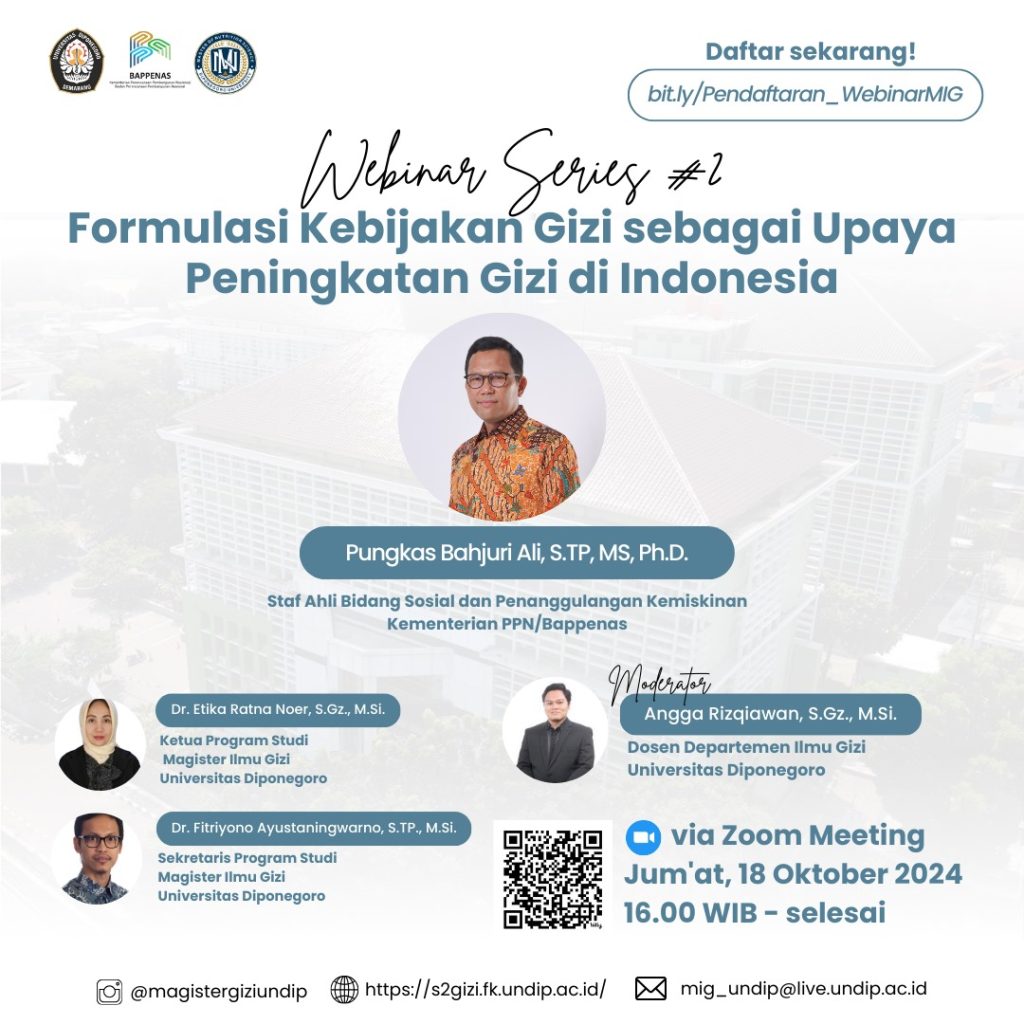
In addition, UNDIP academics are involved in discussions on national policies related to poverty and community welfare. For example, the UNDIP Master’s Program in Nutrition Science organized an activity entitled “Formulation of Nutrition Policy as an Effort to Improve Nutrition in Indonesia,” featuring Pungkas Bahjuri Ali, Expert Staff for Social Affairs and Poverty Alleviation at the Ministry of National Development Planning/Bappenas, as a speaker. This activity demonstrates UNDIP’s involvement in academic forums discussing national policies related to improving welfare and alleviating poverty. However, the publication does not constitute an official appointment letter appointing an UNDIP academic as a member of a policymaking institution. Therefore, for the requirements specified in the Word document, this evidence is more appropriately used as supporting evidence rather than as primary evidence of an official appointment.
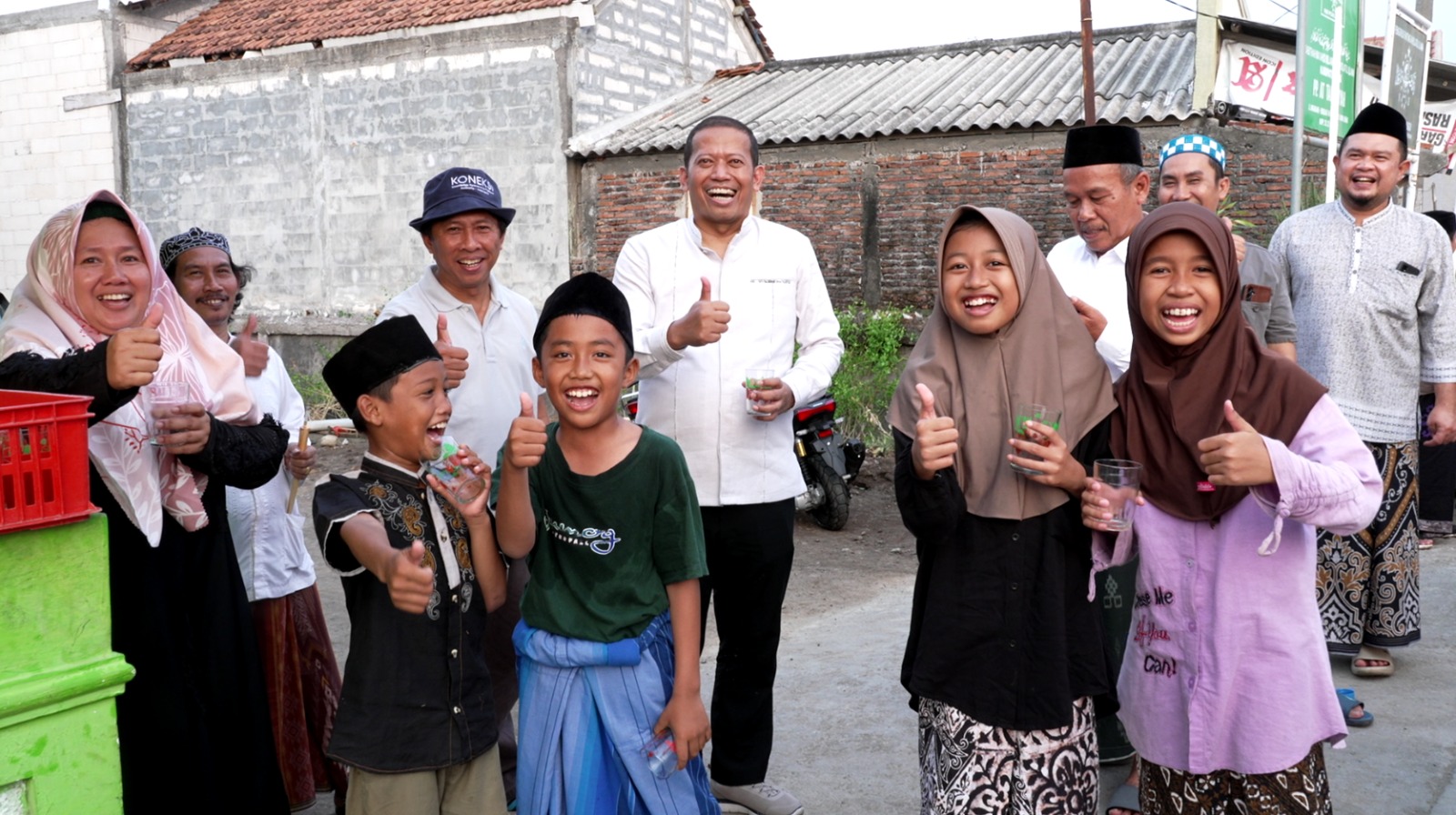
At the regional level in Central Java, UNDIP’s involvement is more concrete. UNDIP collaborates with local governments through various programs that are directly related to poverty alleviation. An official publication by the UNDIP Rector states that UNDIP assists the Blora Regency Government in addressing issues ranging from stunting to poverty through interventions in irrigation, education, livestock development, millennial farmers, Community Service Programs (KKN), and community-supported villages. UNDIP also collaborates with the Jepara Regency Government through LPPM in developing desalination units for drought-prone areas, developing community fishponds to address poverty among fishermen, and processing fishery products. In addition, UNDIP has implemented a five-year KKN program in Rembang Regency to assist the local government in poverty alleviation efforts.
UNDIP’s involvement in poverty alleviation policies in Central Java is also documented through a study of the One Regional Government Agency One Assisted Village Movement Program. UNDIP’s research on this policy conducted interviews with the Bureau of People’s Welfare of the Regional Secretariat of Central Java Province and the Central Java Poverty Alleviation Coordination Team (TKPK) as the leading sectors of the program, as well as with regional government agencies (OPD) and assisted villages. This study demonstrates that UNDIP conducts research and evaluations of local government policies that are directly aimed at poverty alleviation.