
Undip for Sustainability
Universitas Diponegoro (UNDIP) is committed to becoming an impactful institution while advancing vision as a green and sustainable university rooted in coastal eco-development as a niche. This commitment is reflected in the EDUCATION system, which integrates sustainability and coastal development goals into academic programs. Through RESEARCH-BASED LEARNING, INNOVATION, AND FIELD EXPERIENCES, UNDIP prepares future leaders in sustainable coastal and marine development aligned with the principle of sustainability. Additionally, UNDIP strengthens mission by integrating research and COMMUNITY SERVICE, focusing on areas such as coastal conservation, blue economy, climate change, food and energy security and pollution control, with outcomes implemented through community empowerment programs, ensuring meaningful and lasting societal impact.
Undip as Green and Sustainable Campus
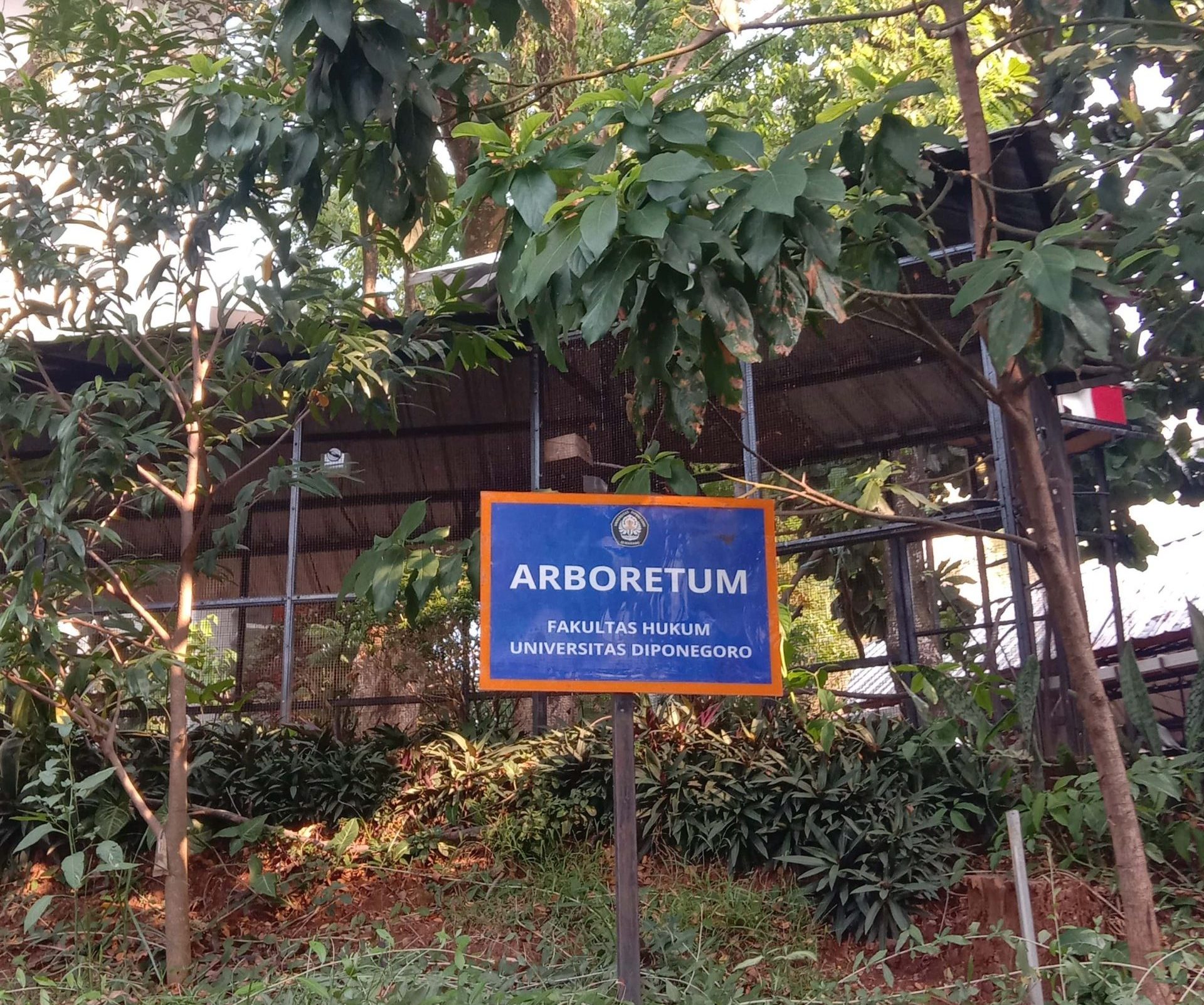
Setting and Infrastucture
The management of open green spaces, smart building, use of plants to improve air quality, and initiatives aimed at reducing pollution.
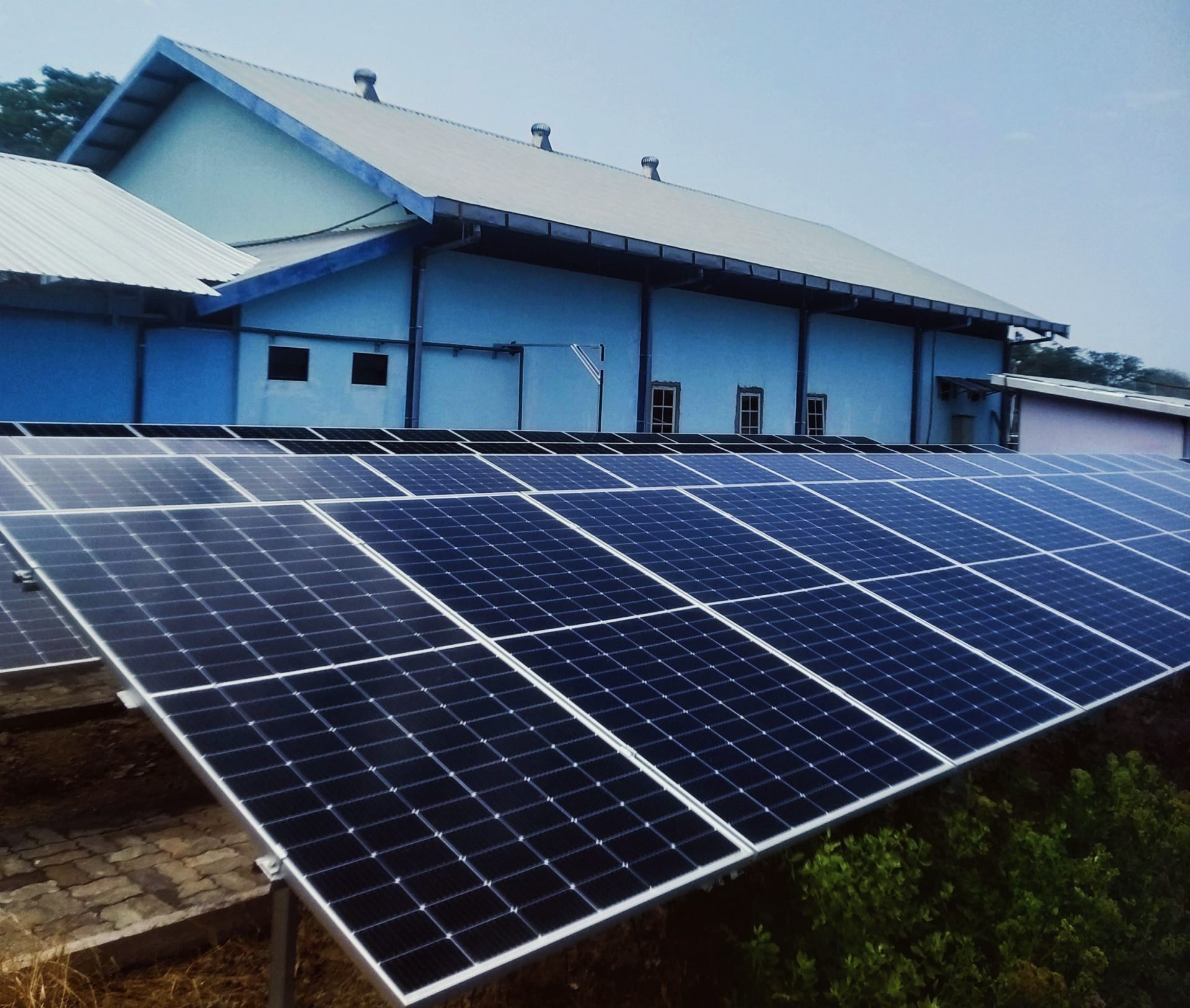
Energy and Climate Change
The management of energy consumption and its contribution to mitigating climate change, include the use of renewable energy sources, energy-efficient usage, and climate change-related policies
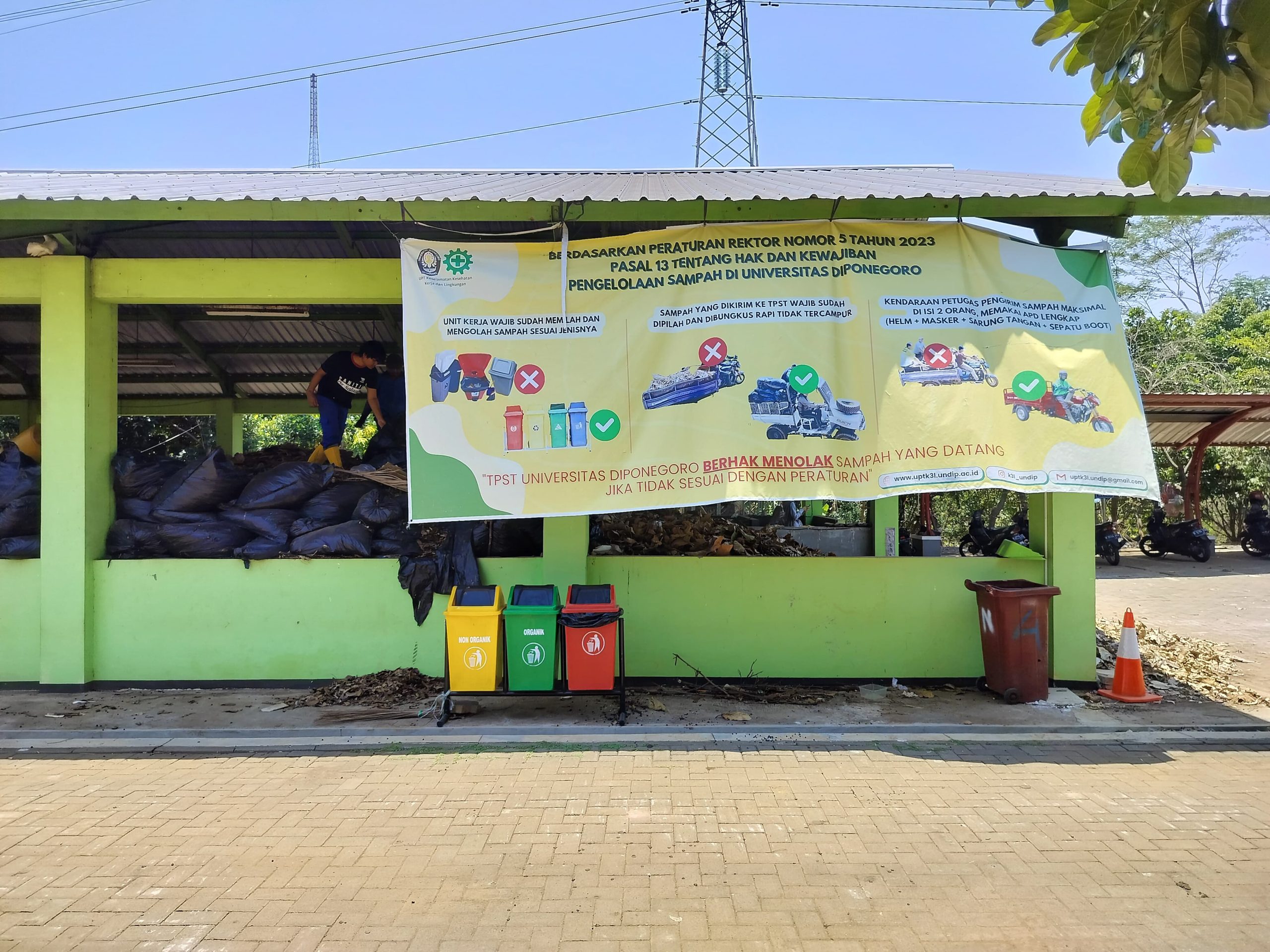
Waste
Strategies for reducing, recycling, and disposing of solid, liquid, and gaseous waste. Efficient waste segregation, recycling programs, and reduction of waste generation.
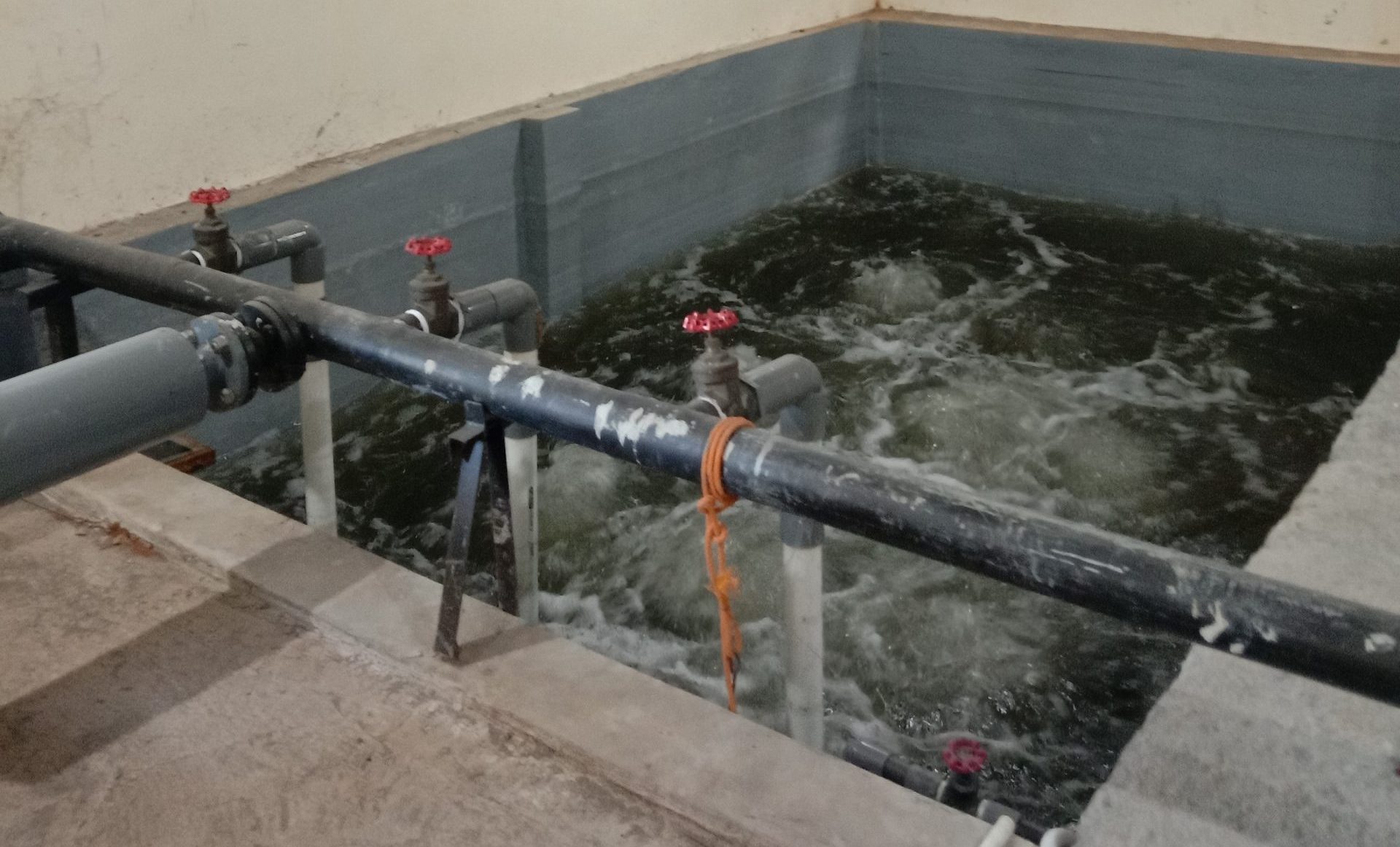
Water
The management of water resources. It includes water conservation policies, the use of technologies for rainwater harvesting, and the treatment and reuse of wastewater
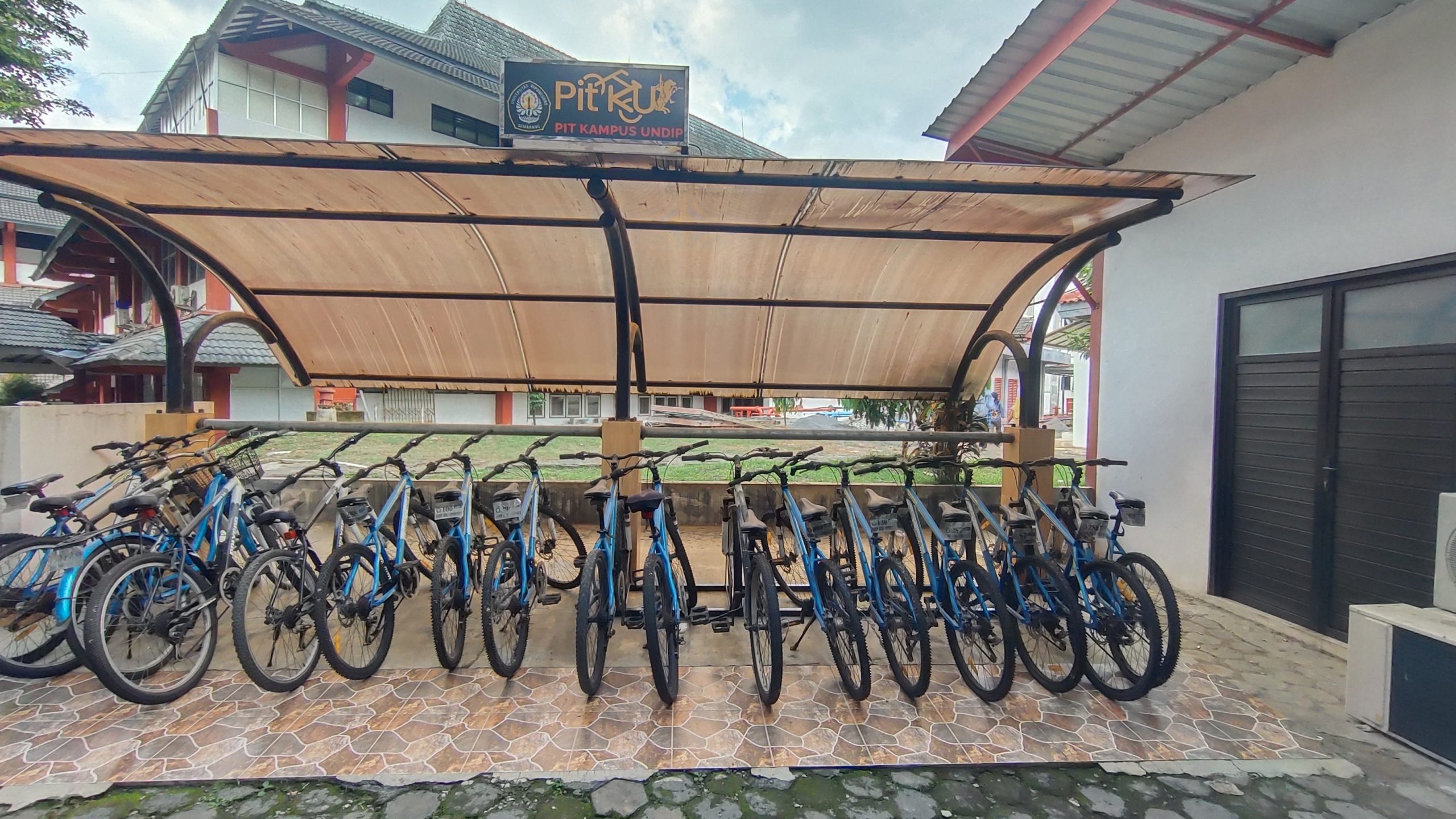
Transportation
Promote sustainable transportation options on campus. It includes the availability of bicycle facilities, electric vehicle charging stations, and policies that reduce carbon emissions from transportation.

Research and Education
Integrate sustainability into educational programs, includes offering courses related to sustainability, conducting research on environmental and social issues, and providing training for both staff and students on sustainability topics.
Governance
The management of governance
Undip: ESG Driven Sustainability Through QS Sustainability
Environmental Impact
Social Impact
Governance
THE Impact Ranking 17 SDGs



Sustainability Committee
The Sustainability Committee at Universitas Diponegoro (UNDIP) is committed to promoting and implementing sustainability principles across all university activities, encompassing environmental, social, and economic aspects. The committee plays a crucial role in formulating and overseeing policies and initiatives related to sustainability, ensuring that UNDIP contributes to the achievement of national and international Sustainable Development Goals (SDGs).
Our Updates
Kegiatan KKN Undip Tim II Tahun 2022/2023 “Mengubah Lahan Kosong Menjadi Produktif dan Cantik dengan Ecobrick”
Sukoharjo (08/08/2023). Interaksi antar mahasiswa dan Muhamad Ghazi Agam Sas, S.P., M.Si. selaku dosen pembimbing lapangan KKN Unversitas Diponegoro Periode 2022/2023 melakukan kegiatan pemberdayaan masyarakat pertanian melalui pemanfaatan lahan baik dijadikan sebagai objek lokasi hias maupun pemanfaatan lahan untuk penanaman kacang kedelai dan melakukan kegiatan sosialisasi dan pendampingan pembuatan Ecobrick dalam upaya meningkatkan kreativitas dan […]
The post Interaksi Dosen-Mahasiswa dalam “Mengubah Lahan Kosong Menjadi Produktif dan Cantik dengan Ecobrick” appeared first on Agroekoteknologi.
Departemen Biologi FSM UNDIP Menginisiasi Penelitian DNA Lingkungan dengan Pendekatan Third Generation Sequencing Menggunakan Oxford Nanopore Technology
Teknologi pembacaan urutan DNA (Sequencing Technology) mengalami perkembangan yang sangat pesat. Sequencing technology dimulai dengan Sanger Sequencing dan kemudian diikuti dengan Next Generation Sequencing yang dapat melakukan pembacaan urutan DNA yang lebih banyak...
The Total Carbon Footprint 2021
The Total Carbon Footprint Universitas Diponegoro (CO2 emission in the last 12 month, in metric tons) Electricity usage per year (EC 2.7) The CO2 emission from electricity = (electricity usage per year in kWh/1000) 0.84 = (9,208,279.953/1,000) 0.84 =...