
Undip for Sustainability
Universitas Diponegoro (Undip) is committed to sustainability, embedding its principles into teaching, research, and operations to address global challenges like climate change and social equity.
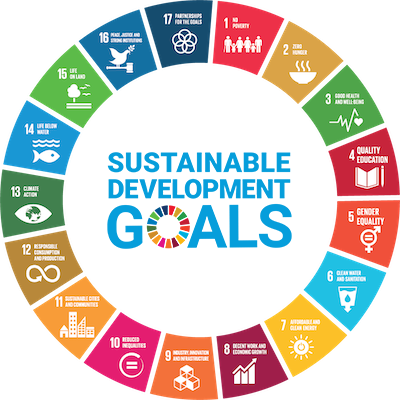
Diving into the Numbers

%
The ratio of building area to the total area is 91.67%. Forest vegetation 37.24%, Water Absorption 22.03%, Planted vegetation 31.16% and Road Area 1.24 %

The total production of Renewable Energy is 46.085 kWh from Hydropower, Solar Panel, Wind Power, Combined Heat Chiller, Biogas, and Biodiesel

%
Over 95 % of the waste generated at Diponegoro University was recycled. Organic waste treatment 100% and Inorganic waste treatment 98.7%.

%
Undip has implemented 97.78% water conservation initiatives across campus, significantly reducing water usage and supporting sustainable groundwater supplies

The shuttle service provided by Undip amount to 12 units and total trips of each shuttle service each day is 80, there are 4 buses that operate, free of charge and use friendly fuel, biosolar

%
Undip offered 9.689 courses and 8.658 courses related to sustainability (89.22%). Publication related to sustainability is 4.661



Sustainability Committee
The Sustainability Committee at Universitas Diponegoro (UNDIP) is committed to promoting and implementing sustainability principles across all university activities, encompassing environmental, social, and economic aspects. The committee plays a crucial role in formulating and overseeing policies and initiatives related to sustainability, ensuring that UNDIP contributes to the achievement of national and international Sustainable Development Goals (SDGs).
Development of Sustainability Policies
Planning & Implementing Sustainability Initiatives
Monitoring and Evaluation
Initiatives & Programs
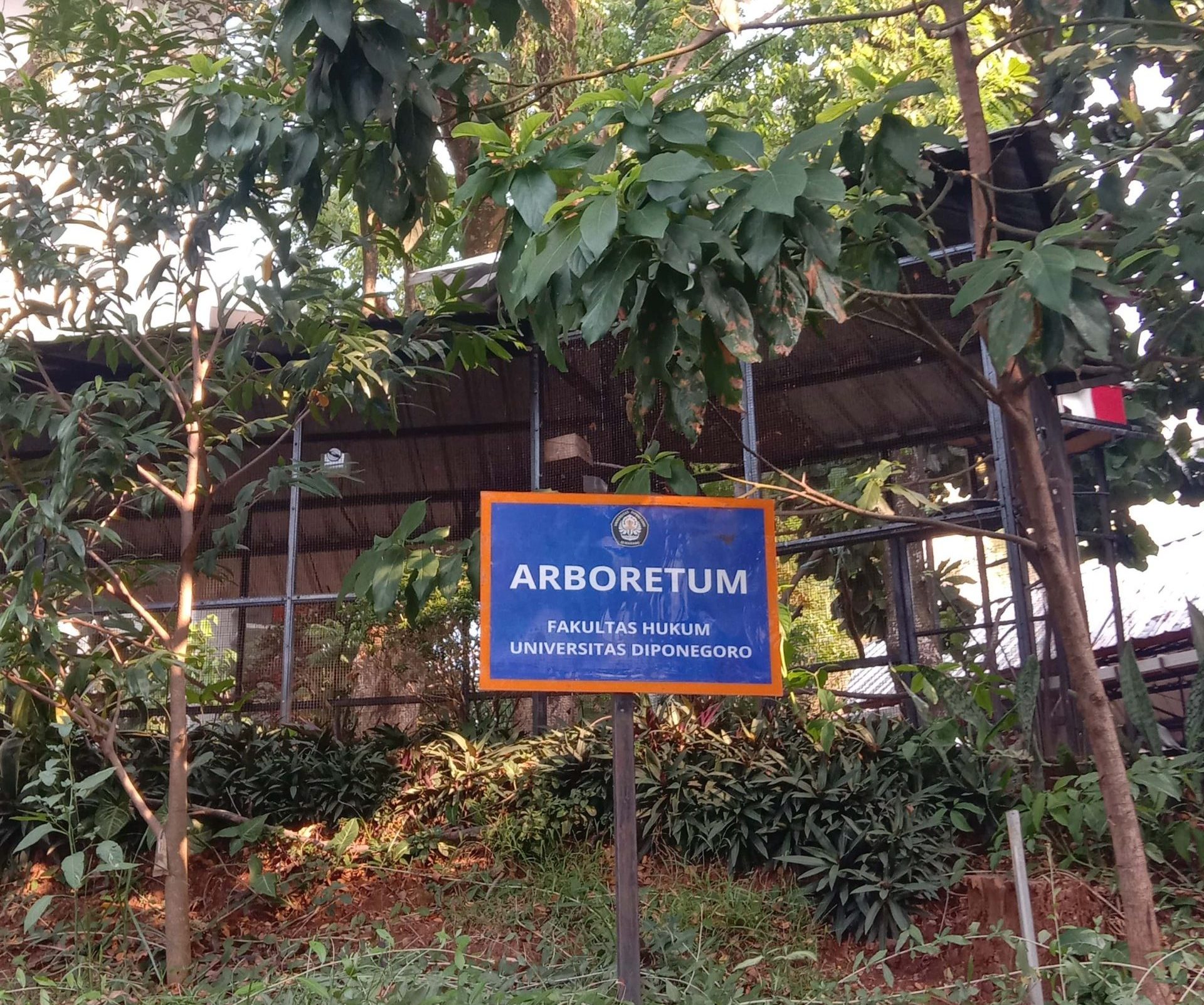
Setting and Infrastucture
The management of open green spaces, smart building, use of plants to improve air quality, and initiatives aimed at reducing pollution.
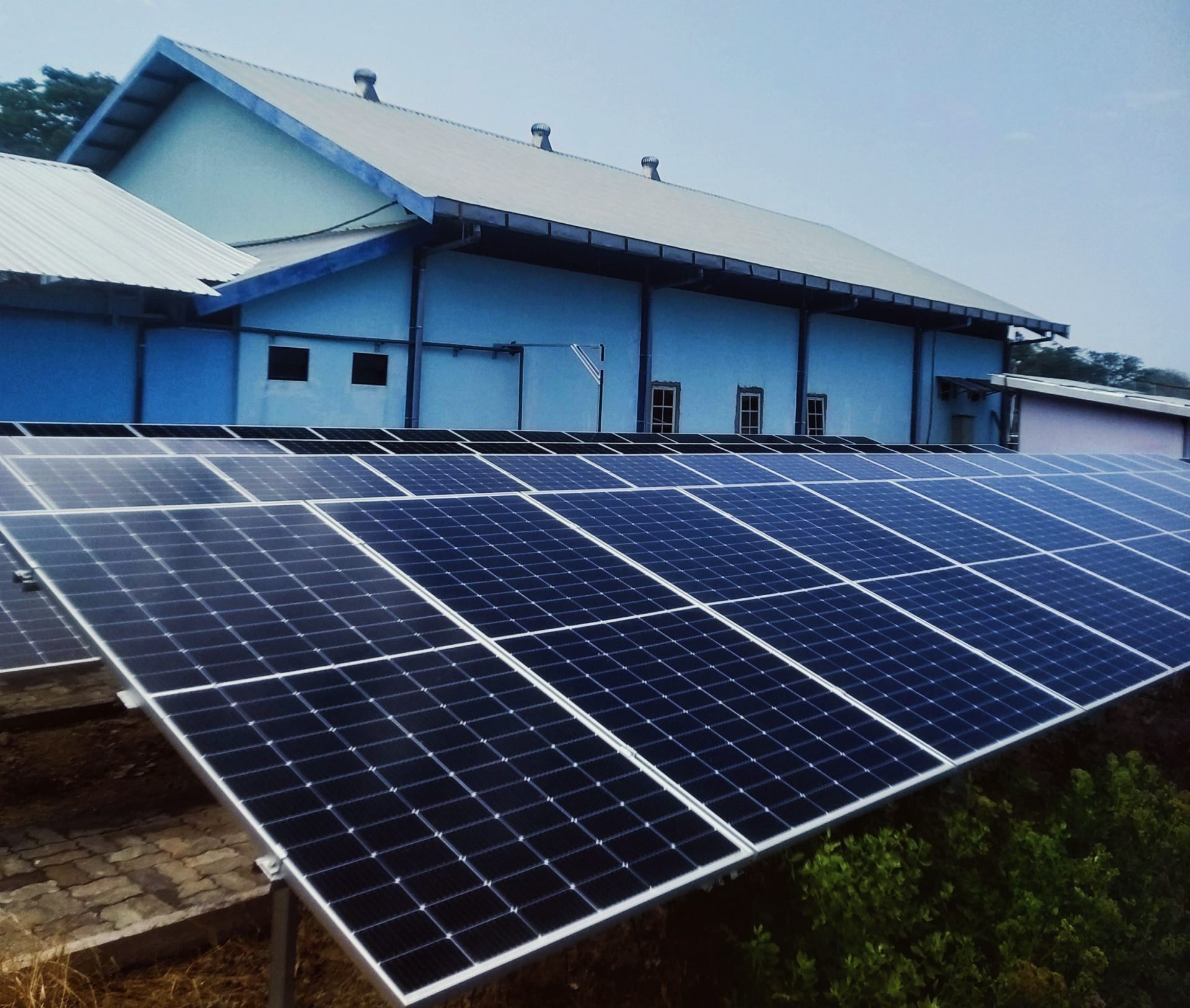
Energy and Climate Change
The management of energy consumption and its contribution to mitigating climate change, include the use of renewable energy sources, energy-efficient usage, and climate change-related policies
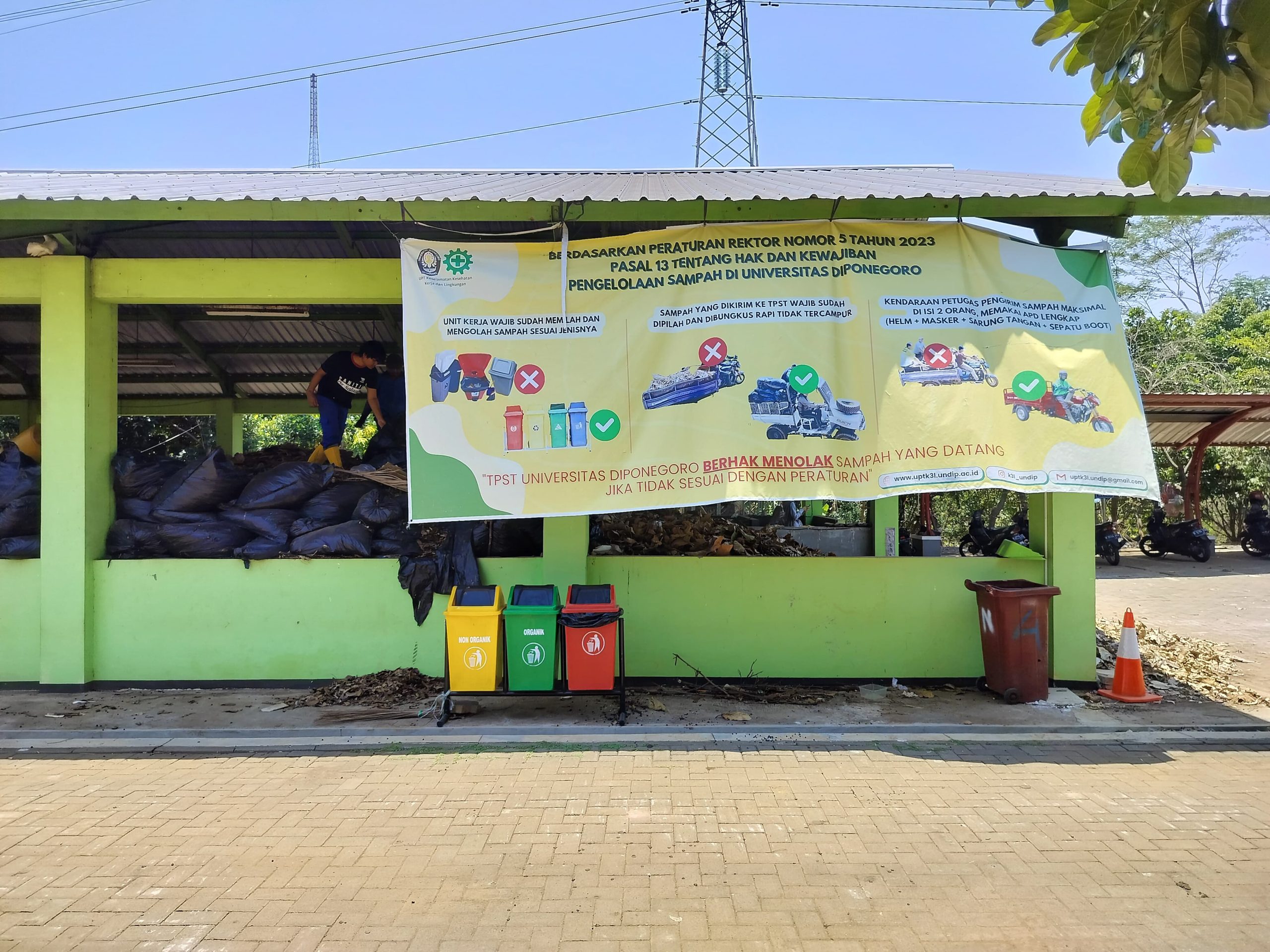
Waste
Strategies for reducing, recycling, and disposing of solid, liquid, and gaseous waste. Efficient waste segregation, recycling programs, and reduction of waste generation.
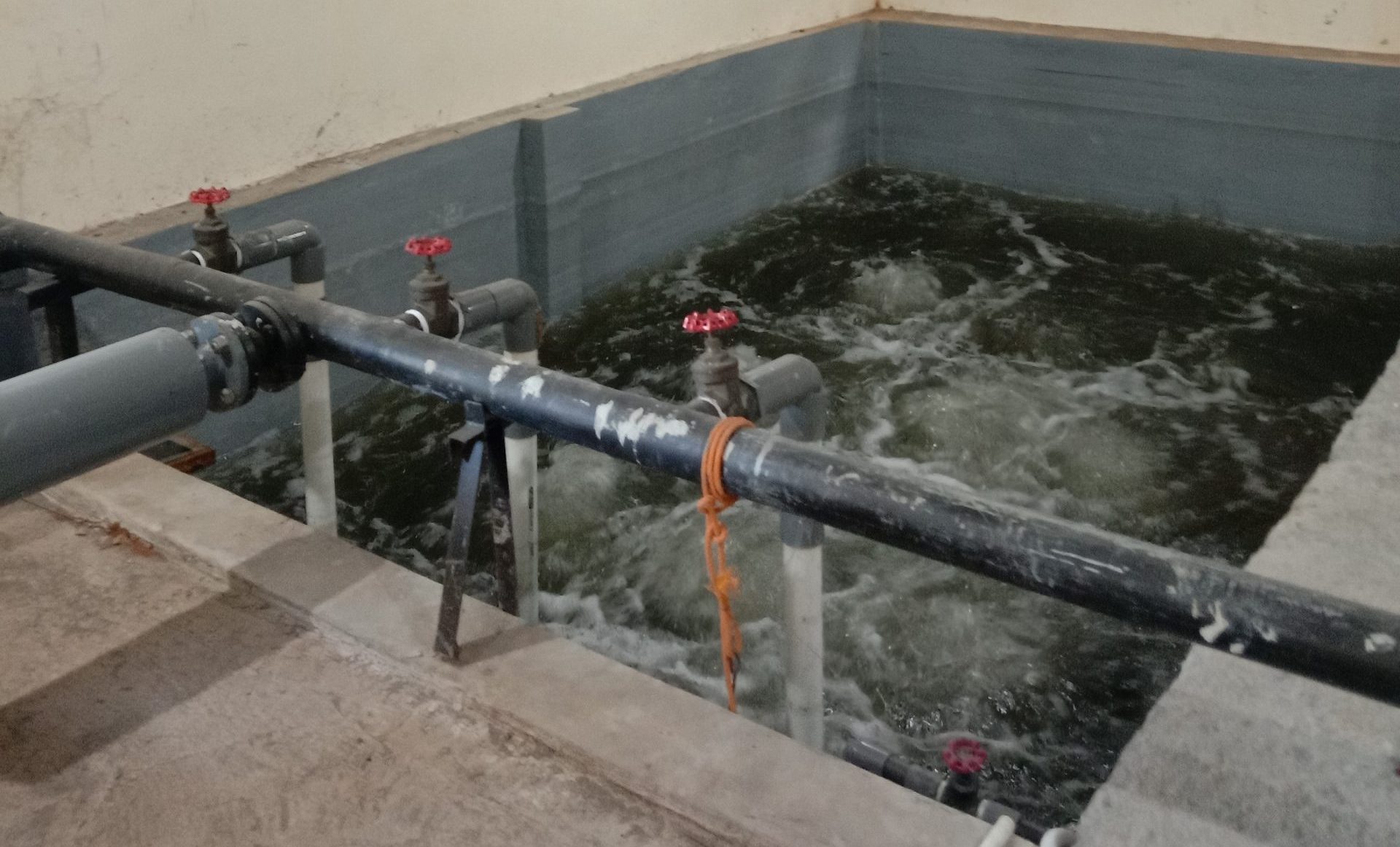
Water
The management of water resources. It includes water conservation policies, the use of technologies for rainwater harvesting, and the treatment and reuse of wastewater
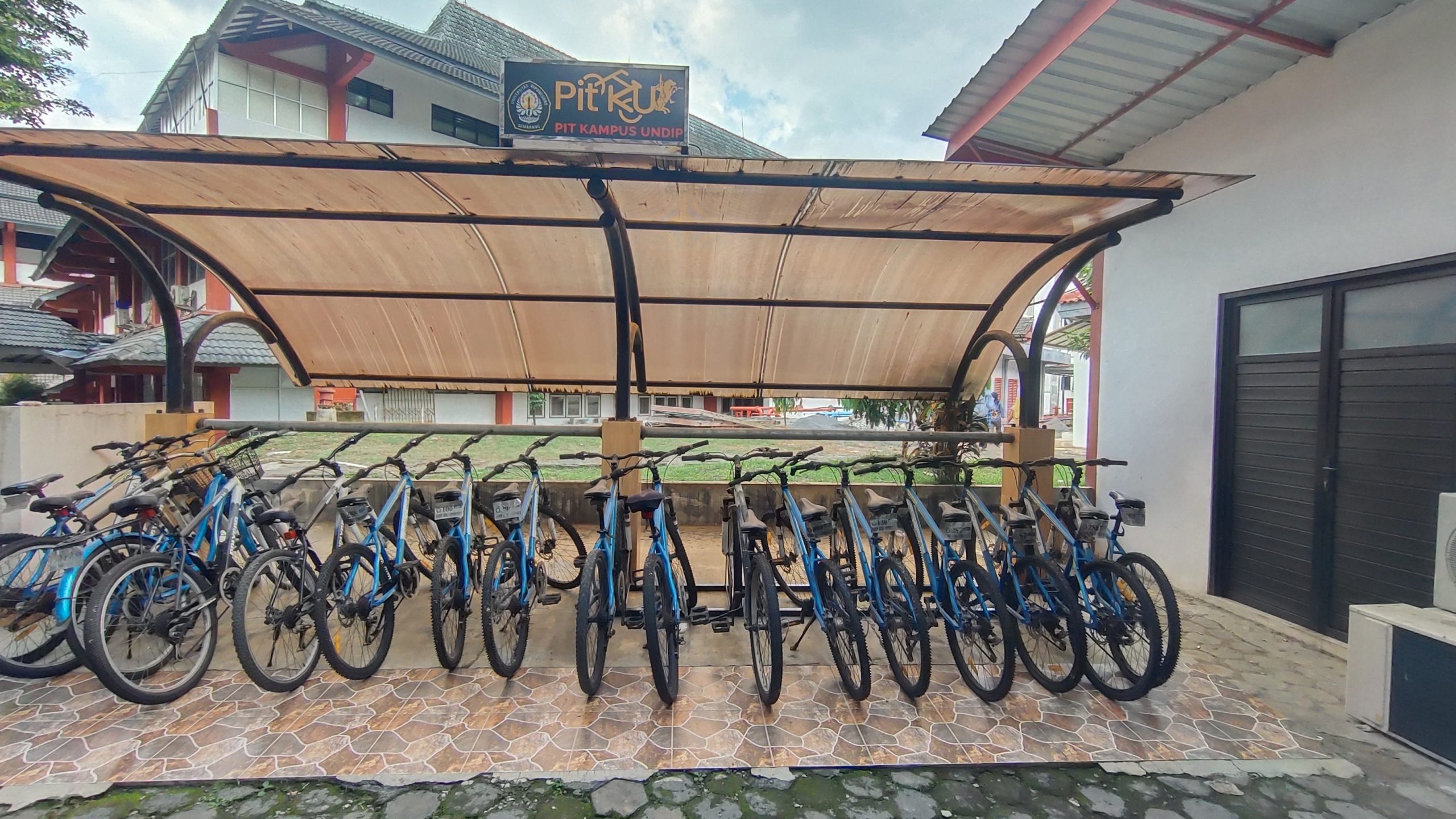
Transportation
Promote sustainable transportation options on campus. It includes the availability of bicycle facilities, electric vehicle charging stations, and policies that reduce carbon emissions from transportation.

Research and Education
Integrate sustainability into educational programs, includes offering courses related to sustainability, conducting research on environmental and social issues, and providing training for both staff and students on sustainability topics.
Latest News
Berbagi Makanan Puasa Bersama SDGs Center Undip 2024
Sebagai kelanjutan dari kegiatan tahun 2020-2023, pada tahun 2024 ini, SDGs Center UNDIP kembali mengadakan pembagian makanan kelima kalinya melalui Masjid Kampus UNDIP dengan mengambil momen bulan puasa Ramadan. Pada hari tanggal 1 April 2024, Tim SGDs Center UNDIP...
Magister Program in Chemistry at Diponegoro University (Undip) Achieves Excelent Accreditation
Semarang, Central Java - In a significant milestone for academic excellence, the Master’s Program in Chemistry at Diponegoro University (Undip) has achieved prestigious recognition by securing accreditation from the Independent Accreditation Agency for Higher...
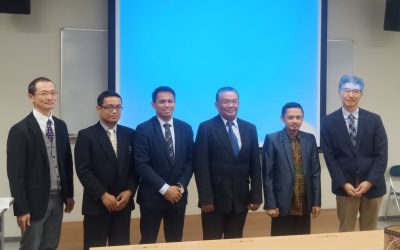
Dosen FSM UNDIP Raih Outstanding Reviewer Awards 2023 sebagai Reviewer Jurnal Internasional
Dr. Choirul Anam, S.Si., M.Si., F.Med., seorang ilmuwan dan dosen di Fakultas Sains dan Matematika Universitas Diponegoro (FSM UNDIP), kembali meraih pengakuan luar biasa dengan menerima penghargaan Outstanding Reviewer Awards 2023. Penghargaan ini diberikan oleh...