
In the continuation of previous year project, Centre for Coastal Rehabilitation and Disaster Mitigation Studies of UNDIP in collaboration with Yayasan Mercy Corp Indonesia (YMCI) worked on the research program related to Climate Impact and Risk Assessment in Pekalongan City and Regency as part of the Zurich Flood Resilience Alliance (ZFRA) area. The project started in 2018 under scheme of Zurich Flood Resilience Alliance Program in which Mercy Corp Indonesia as part of the organizer and in partnership with CoREM Undip and IPB University. This program aims to conduct climate risk and impact assessment of the Kupang River watershed and coastal areas of Pekalongan City and Pekalongan Regency to support local governments to understand the underlying drivers, risks, and impacts of flooding; and inform policy development.
CoREM as a study center contributed to this program by assessing the causes, risk, and prediction of tidal flood and climate change in Pekalongan area during 2020. As we know that Pekalongan has always been flooded by tidal flood and heavy rain for long time, and getting worsen year to year. It is not normal condition and brings many loss for Pekalongan people and costs many things. In order to help Pekalongan people, Zurich Flood Resilience Alliance offered help for the people and the government in four focuses of helping two million people become more resilient to flooding, advocating for the new generation of climate-smart and risk-informed development, elevating community voices about flood resilience, and engaging with other initiatives and stake holder to overcome the flood issue and water security in Pekalongan City and Regency.
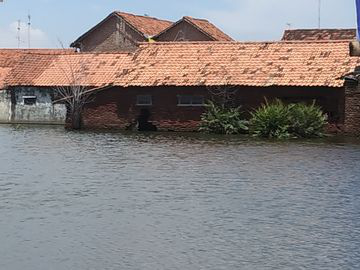
Regarding the Covid-19 pandemic during 2020, Pekalongan people were affected by compound risk of the flood and the pandemic. In Pekalongan City over 70% of households experienced the socio-economic impact of COVID-19. Despite the severe multi-dimensional negative impacts of COVID-19 across the country, the Indonesian government’s budgets at all level are now focusing more to address immediate health needs and social support. It creates funding gap in other sectors that might need critical attention. Pekalongan City government for instance, has reallocated over half of its flood response funding to COVID-19 response, leaving them vulnerable during major flood events and will create further dire implications for the ongoing and future flood mitigation initiatives. Medium-term and longer-term recovery initiatives will be critical to work towards, especially ones that are able to concurrently address building climate resilience and economic recovery.